







 Home
Home Allergic Rhinitis Treatment

Allergic Rhinitis Treatment in Bangkok
Allergic rhinitis, commonly known as hay fever, is a condition in which the immune system overreacts to particles in the air. Substances such as dust, pollen, or mold—normally harmless—can trigger inflammation in the nasal passages, leading to persistent discomfort and irritation.
Although not a serious illness, allergic rhinitis can significantly affect daily life, especially when symptoms become frequent or severe.
What Triggers Allergic Rhinitis?
This condition occurs when the body identifies airborne particles as threats, activating an immune response. Common triggers include:
- Dust and dust mites
- Pollen from plants or seasonal changes
- Mold spores
- Environmental irritants
Because these allergens are often present in the air, symptoms may worsen during certain seasons or environmental conditions.
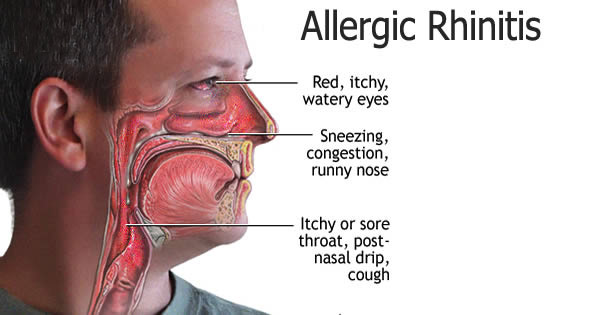
Common Symptoms
People experiencing allergic rhinitis may notice a combination of the following:
- Persistent sneezing
- Nasal congestion or blockage
- Runny nose or post-nasal drip
- Itching in the nose, throat, eyes, or palate
- Watery or irritated eyes
These symptoms can vary in intensity and may recur depending on exposure to triggers.
Available Treatment Options
While there is no definitive cure, several treatments can help manage and reduce symptoms effectively.
Medications
Doctors may recommend:
- Antihistamines to control allergic reactions
- Decongestants to relieve nasal blockage
- Corticosteroid sprays to reduce inflammation
These treatments can provide quick relief, though symptoms may return if exposure to allergens continues.

Immunotherapy
For long-term management, allergy desensitization treatments may be considered. This approach gradually reduces the body’s sensitivity to specific allergens but typically requires a long-term commitment over several years.
Laser-Based Therapy
Recent advancements have introduced laser treatments that target sensitive areas inside the nasal passages. By reducing the reactivity of the nasal lining, this method may help decrease the frequency and severity of allergic responses.
The procedure is usually:
- Performed under local anesthesia
- Completed within a short session (around 30 minutes)
- Conducted on an outpatient basis
Many individuals appreciate the convenience of minimal recovery time, allowing them to resume normal activities shortly after treatment.
Living More Comfortably
Managing allergic rhinitis often involves a combination of medical treatment and lifestyle adjustments, such as minimizing exposure to known allergens and maintaining a clean indoor environment.
Professional Care in Bangkok
In Bangkok, experienced healthcare providers offer comprehensive evaluation and personalized treatment plans to address allergic rhinitis effectively. By combining modern technology with tailored care, patients can achieve better symptom control and improved quality of life.
If you are struggling with ongoing nasal allergies, exploring advanced treatment options may help you breathe easier and enjoy daily activities with greater comfort.
